

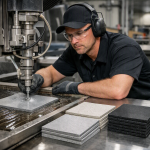
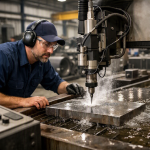

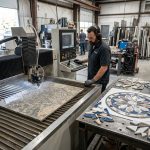
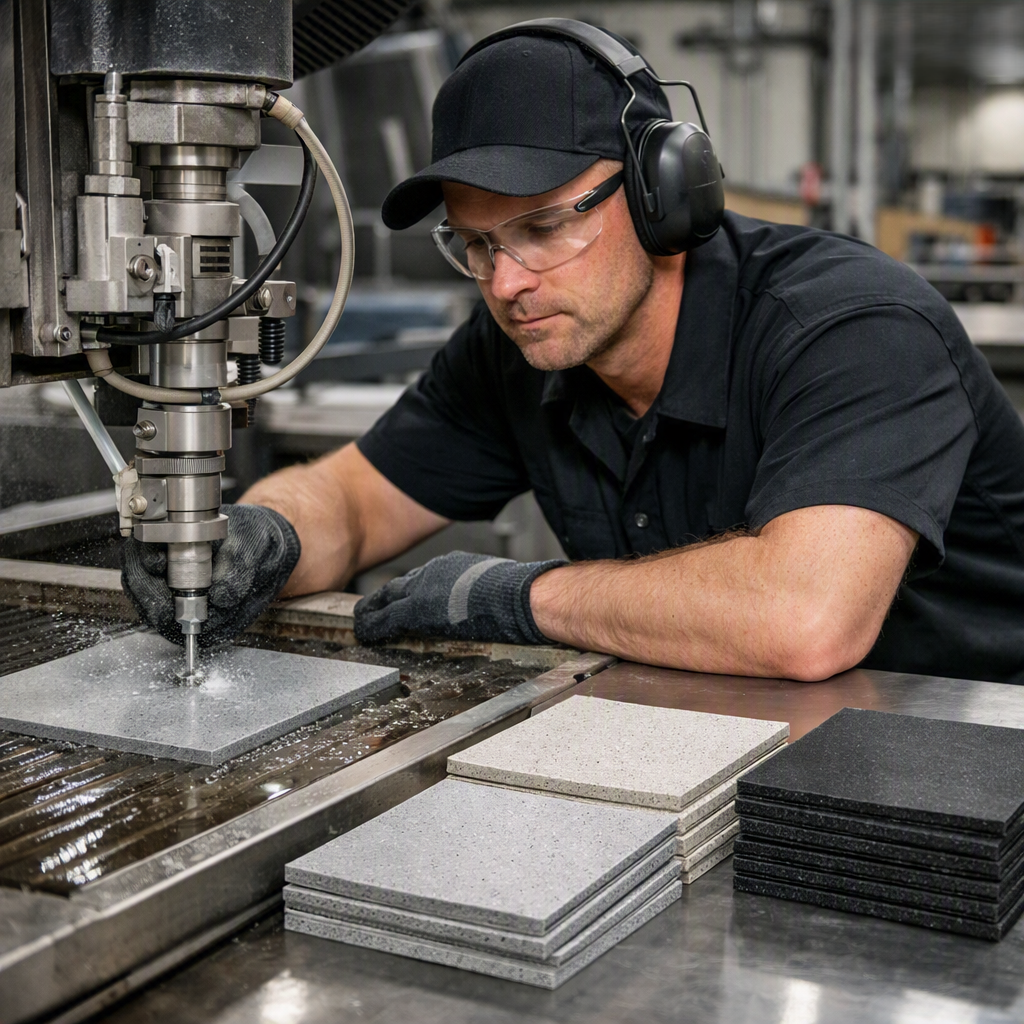

Waterjet is the top choice for aluminum cutting services that call for precision. As a cold-cutting process, it keeps the metal flat and preserves its original strength. The edges come out clean and ready for assembly. Laser and mechanical methods also cut aluminum, but each has its own limits.
Hydro-Lazer, Inc. has cut metal in Freeport, Pennsylvania since 1985. Its systems use a 50,000 PSI stream from a 50 HP pump and can cut material up to 8″ thick. CNC and optical equipment hold tolerances within .003″ on certain materials.
This guide offers a clear comparison of metal cutting for aluminum parts. It covers heat, edge quality, and precision. It ends with a simple checklist for your quote.
Why Aluminum Needs a Careful Cutting Method
Aluminum is lightweight, durable, and widely used in manufacturing and construction. However, its softness and tendency to deform under heat require a careful cutting method to achieve clean edges, accurate dimensions, and minimal material waste.
How Heat Affects Aluminum Cutting Services
Aluminum moves heat through the metal very quickly. With a thermal process, that heat spreads from the cut line into the part. It can soften heat-treated alloys such as 6061-T6 and 7075-T6 near the edge. Thin sheet may also warp.
Cold cutting aluminum keeps the whole part at a steady temperature. The temper stays intact from the center to the edge. This is why waterjet aluminum cutting services protect the properties an engineer specifies.
Aluminum Is Soft and Sticky
Aluminum is a soft metal that tends to cling to saw blades, router bits, and shear edges. This buildup dulls tools and tears the cut surface. It leaves burrs that call for extra deburring. Clamping force can also bend thin or delicate sections.
The Part Has to Match the Drawing
Many aluminum parts go into aerospace, electronics, and industrial assemblies. In these builds, a few thousandths of an inch decide the fit. The right method protects the alloy and carries the geometry to the finished part with minimal cleanup. Choosing the right method is the first step in any aluminum fabrication project.
Waterjet vs. Laser for Aluminum
Laser cutting is fast and widely available. Modern fiber lasers handle thin aluminum sheet well. As thickness and heat sensitivity grow, the process comparison between the two methods becomes clear.
heat-affected Zone
A laser melts and vaporizes metal along the cut path. This leaves a heat-affected zone along the edge. In heat-treated aluminum, that zone can shift in hardness and strength. Abrasive waterjet erodes the metal with high-pressure water and garnet, so the edge retains the base metal’s properties.
Reflectivity and Thickness
Aluminum reflects a large share of laser energy. Cutting it requires high power and tight process control. Edge quality tends to drop as plate gets thicker, and dross can form on the underside. Waterjet cuts thick aluminum plate with steady edge quality, up to 8″ thick on Hydro-Lazer systems.
Where Laser Fits
Laser suits high-volume, thin-gauge aluminum sheet where a small heat-affected zone is acceptable. Aluminum waterjet cutting suits thick plate, heat-sensitive alloys, and mixed material jobs. It also fits parts that need clean edges straight off the table.
For buyers comparing aluminum cutting services, part thickness and alloy are the best guides. The choice often comes down to whether the part can accept heat at the edge. Hydro-Lazer’s waterjet cutting handles prototypes, and production runs through the same workflow.
Waterjet vs. Mechanical Cutting for Aluminum
Mechanical methods include sawing, shearing, punching, milling, and CNC routing. They work well for simple cuts. Each has limits when cutting aluminum.
Burrs, Stress, and Tool Wear
Saws and shears press physical force into the metal. That force can leave burrs, bend thin stock, and add stress along the edge. Aluminum loads up cutting tools, so edge finish can fade over a long run. Waterjet applies very light side force, so edge quality stays steady from the first part to the last.
Geometry Limits
Saws and shears make straight cuts. Punching needs dedicated tooling for each shape. Milling and routing produce complex profiles, and programming, fixturing, and cycle time add up fast. A CNC waterjet cuts detailed contours, interior cutouts, and tight radii straight from a CAD file.
Material Utilization
The waterjet stream is narrow, so parts nest closely on a sheet or plate. This trims scrap and saves money on every plate. Close nesting suits both small and large orders.
Shops that offer aluminum cutting services with tight nesting help buyers get the most from each sheet. Hydro-Lazer’s metal cutting services cover aluminum, carbon steel, stainless steel, tool steel, titanium, copper, and brass. Mixed metal assemblies can come from one vendor.
When Precision Tolerances Matter Most
Some aluminum parts allow a loose fit. Others call for tight tolerances at every edge. The part types below sit in that second group.
Mating and Assembly Parts
Brackets, mounting plates, enclosures, and panels bolt into larger assemblies. They need accurate hole locations and edge profiles. A small error can stall an assembly or force rework later.
Heat Treated and Aerospace Alloys
Parts made from 6061-T6, 7075-T6, and similar alloys rely on their temper for strength. Abrasive waterjet cutting keeps those properties intact up to the edge. This matters for parts that must pass engineering or inspection checks. Hydro-Lazer meets military inspection standard MIL-I-45208A.
Prototypes That Become Production Parts
A waterjet prototype moves into production with the same process. Dimensions stay consistent from the first article to later runs. For precision aluminum parts, tolerances within .003″ on certain materials give engineers confidence in every batch.
The right aluminum cutting services partner confirms the achievable tolerance during quoting. Alloy, thickness, and geometry all shape the final number. Marking critical dimensions on the drawing speeds up that review.
What to Include in Your RFQ
A complete request for quote speeds up pricing and keeps the process smooth. Clear details help the team confirm material, tolerance, and lead time in one reply. Include these items with your request.
- Drawing or design file: CAD files such as DXF, DWG, or STEP work best. Hydro-Lazer also accepts hand sketches and digitizes them with offline programming and CAD software.
- Alloy and temper: List the grade, such as 5052-H32, 6061-T6, or 7075-T6.
- Material thickness: Note the gauge or plate thickness for each part.
- Quantity: State whether the job is a prototype, short run, or recurring production order.
- Critical tolerances: Mark the dimensions that matter most on the drawing.
- Edge finish: List any edge quality or finishing needs.
- Material supply: Say if you will supply the aluminum or need it sourced.
- Timeline: Add the delivery date and any staging needs.
These details give aluminum cutting service providers everything they need for an accurate quote. They also reduce follow-up questions. Your project moves from drawing to finished parts on schedule.
FAQs
What is the best method for cutting aluminum?
Abrasive waterjet is a strong choice for precision aluminum parts. It cuts with cold water and abrasive, so the metal stays flat and keeps its temper. Laser and mechanical methods also suit simple or thin parts.
Does waterjet cutting create a heat-affected zone in aluminum?
Waterjet is a cold cutting process. It erodes the metal with high-pressure water and garnet. The edge keeps the same properties as the rest of the part.
Can a laser cut aluminum?
Yes, fiber lasers cut thin aluminum sheet well. Aluminum reflects much of the laser’s energy and moves heat quickly. As thickness grows, laser cutting gets harder and leaves a heat-affected zone along the edge.
How thick can aluminum be for waterjet cutting?
Waterjet handles thick aluminum plate with steady edge quality. Hydro-Lazer’s systems cut materials up to 8″ thick. The team confirms exact capability for each part during quoting.
What tolerances can waterjet hold on aluminum parts?
Hydro-Lazer’s CNC and optical equipment holds tolerances within .003″ on certain materials. The final tolerance for aluminum depends on alloy, thickness, and part geometry. Mark critical dimensions on your drawing so the team can review them.
Is waterjet cutting good for aluminum prototypes?
Yes, waterjet works well for prototypes. It cuts from a CAD file with a simple setup, so single parts stay affordable. The same program then carries into production runs for consistent results.
Do aluminum parts need deburring after waterjet cutting?
Waterjet leaves clean edges with minimal burrs. The water and abrasive stream applies a light side force to the edge. Most parts need minimal secondary finishing, based on the application.
Where is Hydro-Lazer located?
Hydro-Lazer, Inc. provides aluminum cutting services from 134 Armstrong Drive in Freeport, Pennsylvania. The company has served industrial clients across western Pennsylvania since 1985. It handles prototype orders and annual production contracts.
What file types are needed for an aluminum cutting quote?
DXF, DWG, and other CAD formats work best for fast quoting. Hydro-Lazer also accepts hand sketches and written specifications. Send files through the quote request form or call 724 295 9100.
What affects the price of waterjet cutting for aluminum?
Price depends on material thickness, cut length, part complexity, tolerance, and quantity. A simple setup keeps prototypes and short runs affordable. A complete drawing helps aluminum cutting services providers return an accurate quote quickly.