

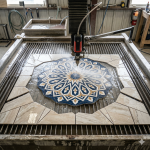
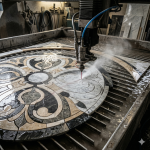
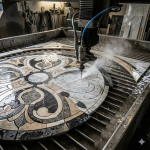
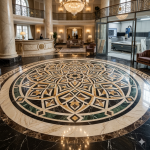
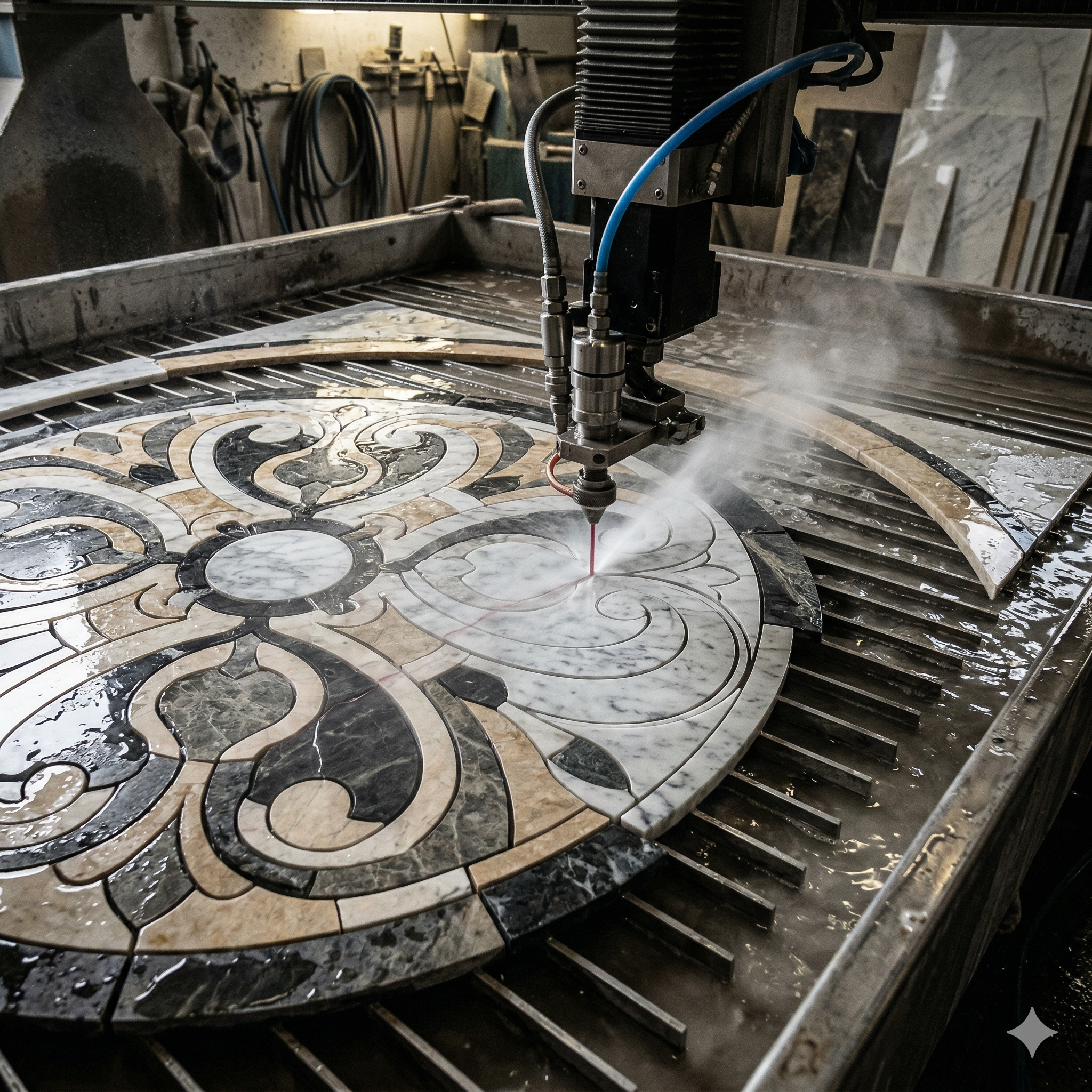

A custom floor often begins with a clear design idea. Homeowners gather inspiration from magazines, hotels, or architectural spaces and expect to recreate something similar at home. Traditional tile-cutting tools limit those ideas because they handle only straight lines and simple shapes. Precision fabrication changes that experience. Water jet floor design allows detailed patterns, curves, and complex inlays to be produced in stone, tile, and resilient materials with remarkable accuracy.
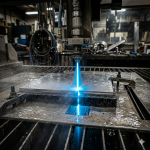
Waterjet cutting uses a focused stream of water mixed with abrasive material to shape flooring components. The method avoids the stress and cracking that mechanical blades can introduce. Designers, builders, and homeowners gain freedom to produce intricate floors that standard tile saws cannot achieve.
Why Water Jet Floor Design Expands Flooring Possibilities
Flooring materials have always offered strong visual potential. The limitation has often been the ability to cut and assemble those materials into detailed designs. It removes that barrier by allowing almost any pattern to be produced with precision.
This technology supports custom flooring projects, such as:
- Geometric stone inlays
- Decorative borders in kitchens and entryways
- Custom medallions in foyers
- Brand logos on commercial floors
- Artistic patterns in living spaces
Each component is cut digitally, which ensures pieces fit together with clean edges and consistent spacing.
Stone Materials Perfect for Every Project
Discover the ideal stone for your next project, from durable countertops to elegant outdoor spaces, and learn which materials best suit your design and lifestyle needs.
Marble Flooring Inlays
Marble has long been associated with decorative floors. Its natural veining creates visual depth that manufactured materials rarely match. Marble tiles can be cut into detailed shapes that form medallions, borders, or mosaic patterns.
Benefits of marble inlays include:
- Strong resistance to moisture
- Long service life with proper maintenance
- Unique color variations within each piece
- Compatibility with classical and modern interiors
Many residential entryways and formal living areas use marble inlays to establish a focal point within the floor.
Ceramic and Porcelain Tile Patterns
Ceramic and porcelain tiles are durable and common in kitchens and bathrooms. These materials are dense and brittle, which can lead to chipping when shaped with conventional tools. Waterjet cutting eliminates that risk.
Fabricators create:
- Smooth curved tile shapes
- Complex geometric assemblies
- Detailed tile mosaics
- Clean edges that preserve tile glaze
This process maintains the tile’s structural integrity while allowing creative layouts.
Slate Flooring Designs
Slate offers natural color variation, expanding the flooring design palette. The material appears in shades such as black, green, gray, gold, and red. When cut with waterjet technology, slate can be formed into detailed shapes while preserving its layered structure.
Designers often select slate when a project requires texture and organic variation within the floor pattern.
Custom Accent Tiles and Decorative Borders
Accent pieces often complete the visual balance of a floor. Small inlays or borders guide the eye and define spaces within open floor plans.
Common accent elements include:
- Decorative tile borders around kitchens
- Stone insets in bathroom floors
- Patterned transitions between flooring materials
- Small custom motifs within larger tile layouts
These features add visual interest without requiring a full renovation.
Can Resilient Floors Feature Custom Patterns
Many homeowners associate decorative flooring with stone or ceramic tile. Resilient flooring materials also support custom design work. Waterjet cutting shapes these materials with precision while preserving their flexibility.
Laminated Floor Inlays
Laminated flooring is appreciated for its durability and easy maintenance in busy environments. Water jet floor design allows laminated panels to be shaped into custom inserts that enrich the visual layout of a space.
Linoleum Flooring Designs
Linoleum is a sustainable flooring material crafted from natural components. Its composition supports detailed cutting, making it ideal for decorative inlays in kitchens, hallways, and community spaces. Designers can introduce elegant shapes and artistic motifs with precision. This flexibility enhances interiors while maintaining an environmentally conscious choice.
Vinyl Composition Tile Patterns
Vinyl composition tile, often known as VCT, performs reliably in high-traffic areas such as schools and offices. Waterjet cutting produces consistent shapes that support repeating patterns and detailed floor graphics. These designs bring visual interest to large functional spaces. The finished floors combine durability with structured, eye-catching layouts.
Rubber Flooring Elements
Rubber flooring is widely used in gyms, mudrooms, and active work areas. Custom-cut pieces introduce decorative patterns that complement the surrounding design. The material retains its comfortable and slip-resistant qualities throughout the installation. This approach blends safety, performance, and creative styling in practical environments.
How a Floor Medallion Defines Interior Space
A floor medallion serves as a central design element within a room. Entryways, dining rooms, and foyers often use this feature to establish a visual anchor.
Common medallion styles include:
- Natural stone medallions made from marble, granite, or slate
- Ceramic tile medallions for kitchens and bathrooms
- Vinyl medallions designed for resilient floors
- Mosaic medallions built from many small precision pieces
When placed at the center of a space, a medallion guides furniture placement and creates a clear visual focal point.
From Concept to Completion
Starting a custom flooring project is simpler than many expect. Fabricators often accept several types of design input. A homeowner can provide a sketch, reference image, or digital drawing. The fabrication team converts that concept into a cut-ready design file.
A typical project process includes:
- Concept submission with sketches or images
- Digital design preparation
- Precision cutting using waterjet equipment
- Packaging of installation-ready components
Production facilities may handle single medallions, accent pieces, or full room flooring systems.
Planning a Custom Floor
A well-designed floor supports both visual appeal and long-term durability. Water jet allows homeowners and designers to work with marble, ceramic, vinyl, slate, and other materials without sacrificing creative control.
When planning a project, consider these steps:
- Choose materials that suit the room environment
- Identify a focal point, such as a medallion or border
- Select colors that complement the surrounding finishes
- Work with experienced fabricators who specialize in custom cutting
With precise fabrication and thoughtful planning, a custom floor becomes a defining feature of the space.